Guida alla mappa interattiva di Subnautica 2: biomi, boe e rotte
Una mappa interattiva di Subnautica 2 aiuta a filtrare i luoghi possibili, ma non sostituisce le boe nel gioco. Confronta biomi, risorse, aree pericolose, ossigeno e rotte di ritorno prima di una lunga immersione.
- IntentMappa, biomi, navigazione
- Best useRotte delle boe e pianificazione sicura
- Update riskCambiamenti del mondo in Early Access
Risposta rapida
Come usare una mappa interattiva di Subnautica 2?
Usa una mappa interattiva di Subnautica 2 come livello di pianificazione: filtra biomi, risorse, frammenti e pericoli, poi verifica la rotta con le tue boe. L’Early Access può cambiare confini, risorse, rischio delle creature e progressione; controlla quindi i marker importanti nella build attuale.
Lascia opzionali i livelli con spoiler, prova una rotta alla volta e scrivi la data della patch accanto alle note condivise.
Stato mappa
Cosa può dirti una mappa di Subnautica 2 in Early Access
La richiesta di una mappa completa è alta, ma biomi, risorse e pericoli possono cambiare.
| Tema | Lettura attuale | Azione |
|---|---|---|
| Mappa completa | Utile per orientarsi, ma non definitiva. | Pianifica e conferma in gioco. |
| Biomi | Confini e pericoli possono cambiare. | Metti un beacon e annota profondità, visibilità e creature. |
| Risorse | I marker sono sensibili ai patch. | Tieni note personali con data. |
| Mappe interattive | Filtrano bene, ma possono spoilerare. | Attiva solo il livello necessario. |
Mappa interattiva
Quando usare una mappa interattiva di Subnautica 2
Usa una mappa interattiva di Subnautica 2 per filtrare biomi, risorse, frammenti e pericoli, poi verifica la rotta con le boe nel gioco.
| Uso | Layer migliore | Da evitare |
|---|---|---|
| Prima rotta sicura | Base, beacon, risorse basse e ritorno. | Attivare storia o leviatani senza accordo. |
| Confini dei biomi | Confine, profondità, visibilità e rischio creature. | Credere definitivi i confini Early Access dopo patch. |
| Confronto dimensioni | Tempo di viaggio, ossigeno e rotte verticali. | Confronti con altri open world senza rischio di navigazione. |
| Pianificazione coop | Nomi beacon, responsabile rotta, risorse e pericoli. | Quattro sistemi di marker diversi. |
Route Plan
Crea la tua mappa prima di fidarti di quelle altrui
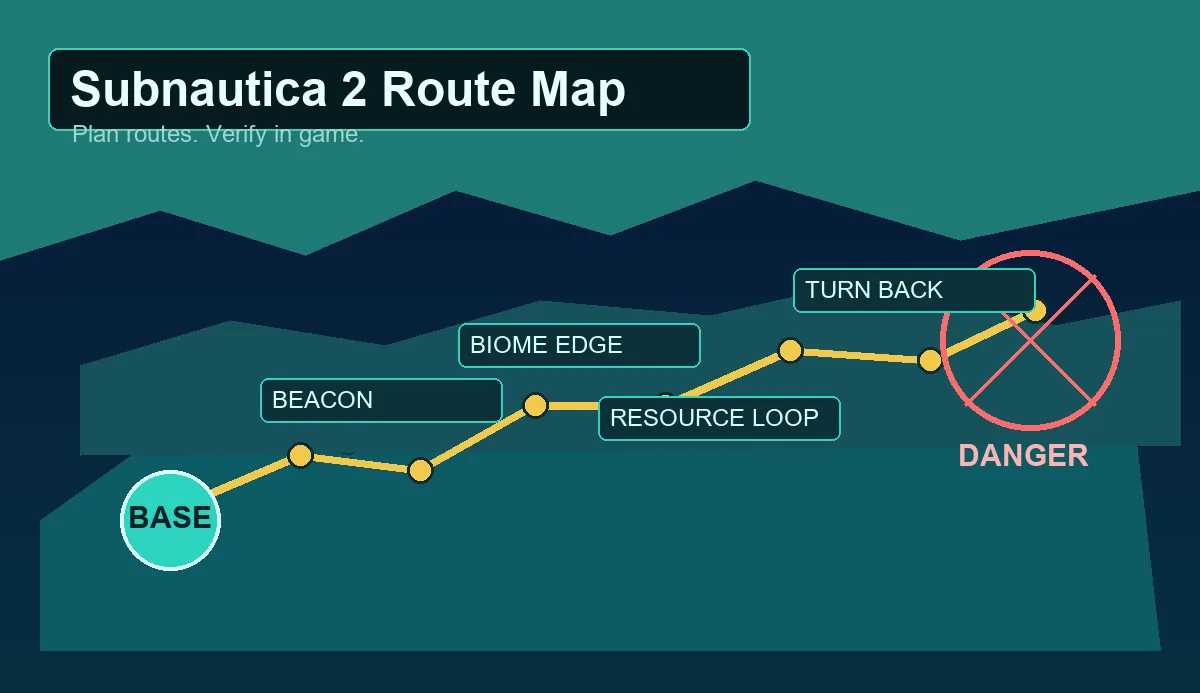
Una mappa personale non è uno screenshot, ma un sistema di sopravvivenza fatto di rotte ripetibili, punti di ritorno noti e nomi condivisi. Inizia con un piccolo anello sicuro intorno alla prima base. Aggiungi una rotta per le risorse, un avviso sulle creature, una rotta di esplorazione più profonda e una linea di rientro d’emergenza. Quando questi percorsi sono chiari, una mappa interattiva esterna diventa più utile perché puoi confrontarla con luoghi che conosci già.
Parti da una base con nome
Ogni rotta deve iniziare da un punto che il gruppo riconosce sotto pressione.
Segna i punti di rientro
Annota dove profondità, grotte o suoni rendono la rotta rischiosa.
Separa risorse e pericolo
Unisci ricompensa, ossigeno, visibilità e rischio creature.
Mantieni opzionali gli spoiler
Storia e leviatani solo se il gruppo è d accordo.
Biomes
Come leggere i confini dei biomi senza una mappa perfetta
L’esplorazione in stile Subnautica si basa sulle transizioni. Spesso il bordo di un bioma insegna più del suo centro.
Variazioni di colore e visibilità
Un cambiamento nel colore dell’acqua, nelle particelle, nella forma del terreno o nei suoni è spesso un avviso più utile del nome sulla mappa. Rallenta prima che cambi l’etichetta.
Zone che fanno gola per le risorse
I materiali utili si trovano spesso vicino al rischio. Se una zona sembra ricca, controlla ossigeno, direzione d’uscita e suoni delle creature prima di raccogliere tutto.
Le rotte verticali contano
I cambi di profondità possono rendere pericolosa una breve rotta orizzontale. Segna se puoi risalire direttamente o se le grotte impongono un ritorno più lungo.
Le comunicazioni in co-op richiedono nomi
Un gruppo non può reagire a «qui» in un oceano alieno. Usa nomi semplici come Bordo occidentale delle alghe, Discesa blu o Tunnel sud della base.
Checklist
Checklist di mappa e boe per nuove immersioni
Usa questa checklist prima di considerare sicura una nuova rotta o di aggiungerla a una mappa condivisa.
| Stage | Map action | Why it matters |
|---|---|---|
| Prima di partire | Imposta destinazione, boa di ritorno, soglia di ossigeno e compito di ogni giocatore. | Molti errori di mappa iniziano prima dell’immersione, perché il gruppo non condivide una regola di percorso. |
| At the biome edge | Fermati, guarda l’uscita e annota visibilità, suoni, profondità e movimento delle creature. | Il confine indica se la rotta serve per scansione, raccolta o ritirata. |
| Inside the route | Aggiungi un solo obiettivo alla volta: materiale, frammento, grotta o scansione di una creatura. | Accumularne troppi fa perdere la linea di ritorno e porta a restare sott’acqua oltre il margine d’ossigeno. |
| After returning | Rinomina le boe vaghe ed elimina i marker fuorvianti prima della prossima immersione. | Una mappa piena di segnali è quasi pericolosa quanto nessuna mappa quando il gruppo va nel panico. |
Il contesto ufficiale del prodotto e la direzione degli aggiornamenti vanno verificati sul sito ufficiale di Subnautica.
Navigazione in co-op
Condividere una mappa in co-op con 4 giocatori
La co-op di Subnautica 2 rende la disciplina della mappa ancora più importante. Quattro giocatori possono scoprire più rotte, ma anche creare quattro sistemi di boe in conflitto. Assegna una persona ai nomi delle rotte, una alle note sulle risorse, una ai confini pericolosi e una alla logistica della base. Prima di scendere più in profondità, indicate la boa di ritorno e decidete se sono ammessi marker di storia o leviatani.
Mistakes
Errori di mappa che fanno perdere i giocatori
Le rotte peggiori non nascono sempre dalla mancanza di dati, ma dal fidarsi del dato sbagliato nel momento sbagliato.
Seguire una vecchia mappa dopo una patch
Gli aggiornamenti di Early Access possono spostare le priorità. Ricontrolla i marker importanti di risorse e pericoli dopo gli aggiornamenti rilevanti.
Piazzare troppe boe
Una dozzina di marker vaghi può nascondere l’unica rotta importante. Usa nomi brevi ed elimina i marker che non guidano più l’azione.
Segnare le ricompense ma non le uscite
Un marker per i materiali è incompleto senza una direzione di fuga. Registra sempre come uscire, non solo perché entrare.
Spoiler automatici per il gruppo
I livelli delle mappe interattive possono rivelare creature e storia. Tieni disattivati gli strati ricchi di spoiler finché il gruppo non è d’accordo.
Prossime guide
Collega la mappa alle decisioni di sopravvivenza
Collega la mappa alle decisioni di sopravvivenza.
Guida alla costruzione delle basi in Subnautica 2
Interno
Subnautica 2 creatures guide
Interno
Subnautica 2 co-op guide
Interno
Cronologia degli aggiornamenti di Subnautica 2
Interno
Subnautica 2 su Steam
Ufficiale
FAQ
FAQ mappa Subnautica 2
Esiste una mappa interattiva di Subnautica 2?
Le mappe interattive e i layer della community aiutano a filtrare biomi, risorse, frammenti e pericoli. Poiché l’Early Access cambia, verifica i marker importanti nella build attuale e usa le tue boe.
Come si usa una mappa interattiva di Subnautica 2?
Parti da un obiettivo, come un giro di risorse o il bordo di un bioma. Attiva solo i layer necessari, confronta ossigeno e visibilità e segna il ritorno nel gioco.
Cosa segnare per prima sulla mappa?
Segna base iniziale, rotta di ritorno, giro sicuro per le risorse, bordo pericoloso del bioma, ingresso della grotta e punto di rientro.
I giocatori in co-op devono condividere tutti i marker?
No. Condividi prima i marker di sopravvivenza e lascia opzionali storia e leviatani, così la mappa aiuta senza togliere la scoperta.
La mappa di Subnautica 2 può cambiare durante l’Early Access?
Può succedere. Biomi, risorse, rischio delle creature e percorsi di progressione possono cambiare: registra la data della patch e controlla gli aggiornamenti ufficiali.
Quanto è grande la mappa di Subnautica 2?
Per sopravvivere contano più sicurezza della rotta, profondità, ossigeno e spostamenti verticali della dimensione pura. I confronti sono solo contesto.
Qual è la differenza tra mappa interattiva e mappa delle risorse?
La mappa interattiva aiuta con biomi e luoghi possibili; quella delle risorse serve per brevi giri di raccolta. Usale come riferimento e verifica il ritorno con le boe.
Una mappa interattiva sostituisce la navigazione nel gioco?
No. Usala per preparare l’esplorazione, poi dai priorità a boe, visibilità, ossigeno, profondità e rotta sicura di ritorno.